Teeth Whitening in New Westminster, BC
If you are looking for teeth whitening in New Westminster, BC, Sapperton Dental provides professional teeth whitening consultations designed to help patients achieve a brighter, more confident smile. Our dental team can assess your teeth, discuss your whitening goals, and recommend an approach based on your oral health and the type of discoloration you have.
Professional teeth whitening is different from simply using an over-the-counter whitening product. A dental professional can first determine whether whitening is appropriate for your teeth and gums and help you understand what results you may reasonably expect.
What Is Professional Teeth Whitening?
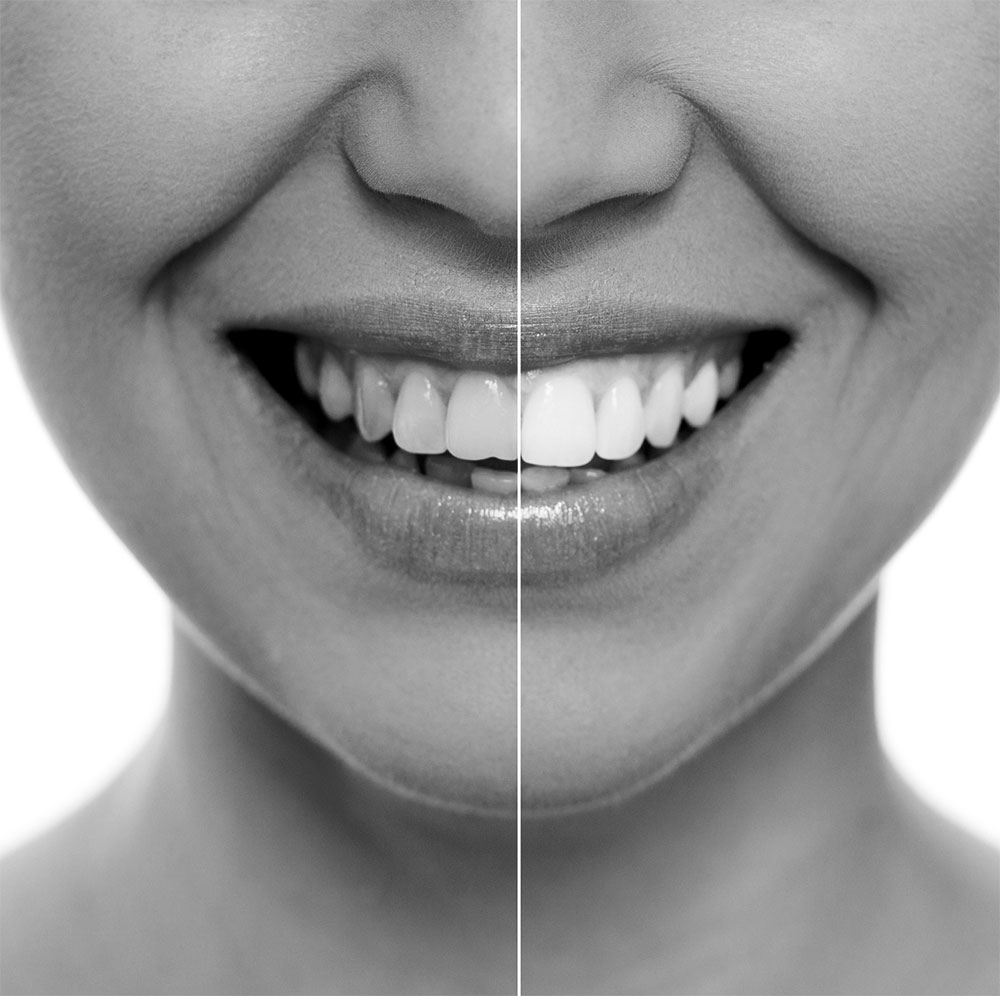
Professional teeth whitening is a cosmetic dental treatment designed to lighten the appearance of natural tooth enamel and reduce certain types of tooth discoloration.
Teeth can become darker or stained for many reasons, including:
- Coffee, tea, and other dark beverages
- Red wine and strongly pigmented foods
- Tobacco use
- Natural aging
- Certain medications
- Changes in tooth enamel over time
- Previous dental or oral health conditions
The best whitening approach depends on the cause of the discoloration, the condition of your teeth and gums, and whether you have existing dental restorations.
If you are considering whitening, a dental evaluation can help determine whether professional whitening is appropriate for you.
Where Can I Get Teeth Whitening in New Westminster?
You can discuss professional teeth whitening with Sapperton Dental in New Westminster, BC.
Our clinic is located at:
301 East Columbia Street #105
New Westminster, BC V3L 3W5
Sapperton Dental serves patients in New Westminster and the surrounding communities. The clinic is located in the Sapperton area, near Sapperton SkyTrain Station and across from Royal Columbian Hospital.
If you are unsure whether whitening is right for you, you can begin with a consultation and oral health assessment.
How Does Professional Teeth Whitening Work?
Professional teeth whitening uses whitening agents to help reduce certain stains and discoloration from natural teeth.
The process generally involves:
- Assessing your teeth and gums.
- Identifying the likely cause of discoloration.
- Discussing your cosmetic goals.
- Determining whether whitening is appropriate.
- Recommending a suitable professional whitening approach.
- Providing instructions for maintaining your results.
The exact treatment process can vary depending on your oral health and the whitening method recommended by your dental professional.
What Causes Yellow or Discolored Teeth?
Tooth discoloration can have both external and internal causes.
Extrinsic stains
Extrinsic stains develop on the outside of the tooth and are commonly associated with:
- Coffee
- Tea
- Red wine
- Tobacco
- Dark-colored foods and beverages
Professional dental cleaning may help remove some surface deposits and stains.
For patients who want a brighter smile beyond routine cleaning, professional teeth whitening may be an option.
You can learn more about maintaining healthy teeth and gums on our preventive dentistry page.
Intrinsic discoloration
Intrinsic discoloration occurs within the tooth and can be more difficult to treat with conventional whitening.
The cause may include:
- Aging
- Certain medications
- Trauma affecting a tooth
- Changes within the tooth
- Developmental factors
Because not every type of discoloration responds in the same way, an evaluation can help determine which options may be appropriate.
Is Professional Teeth Whitening Safe?
Professional teeth whitening is generally considered an established cosmetic dental treatment when appropriately selected and performed according to professional guidance.
However, whitening is not appropriate for everyone, and temporary tooth sensitivity or gum irritation can occur.
Before whitening, it is important to consider conditions such as:
- Tooth decay
- Gum disease
- Cracked or damaged teeth
- Significant tooth sensitivity
- Existing dental restorations
- Other untreated oral health concerns
If an oral health problem is identified, your dentist may recommend addressing it before beginning cosmetic whitening.
Can Teeth Whitening Cause Sensitivity?
Yes. Temporary tooth sensitivity is one of the possible side effects of teeth whitening.
Some patients may notice sensitivity to:
- Cold drinks
- Hot drinks
- Air
- Certain foods
Sensitivity can vary from person to person.
If you already have sensitive teeth, tell your dentist before whitening so your oral health and treatment options can be considered appropriately.
Whitening should not be viewed as a treatment for the underlying cause of persistent tooth sensitivity.
Professional vs. Store-Bought Whitening
Over-the-counter strips and toothpastes can lighten surface stains, but they use one-size-fits-all products and no one checks your teeth first. Professional whitening starts with an exam, uses custom-fitted trays or in-office treatment, and lets your dentist adjust the plan if you have sensitivity.
Is Teeth Whitening Right for Me?
- Cavities and gum health come first. Decay or gum inflammation should be treated before whitening, and a professional cleaning often removes surface stains on its own.
- Crowns, veneers and fillings do not whiten. Whitening only changes natural enamel, so restorations may need to be matched or replaced afterwards. Ask about veneers if stains do not respond to whitening.
- Not every stain responds. Yellow tones usually lighten well; grey or medication-related discoloration may need a different approach.
- Planning Invisalign? Your aligner trays can sometimes be used for whitening near the end of treatment. Ask at your Invisalign visit.
Questions to ask before whitening
- Are my teeth and gums healthy enough to whiten?
- Will my existing fillings, crowns or veneers still match?
- Should I choose in-office or take-home whitening?
- How can I manage sensitivity?
How Much Whiter Will My Teeth Get?
Results depend on your natural tooth colour and the type of staining. Many patients see a noticeable change of several shades, and yellow tones usually respond best. Your dentist can show you a realistic shade target before you start.
How Long Does Whitening Take?
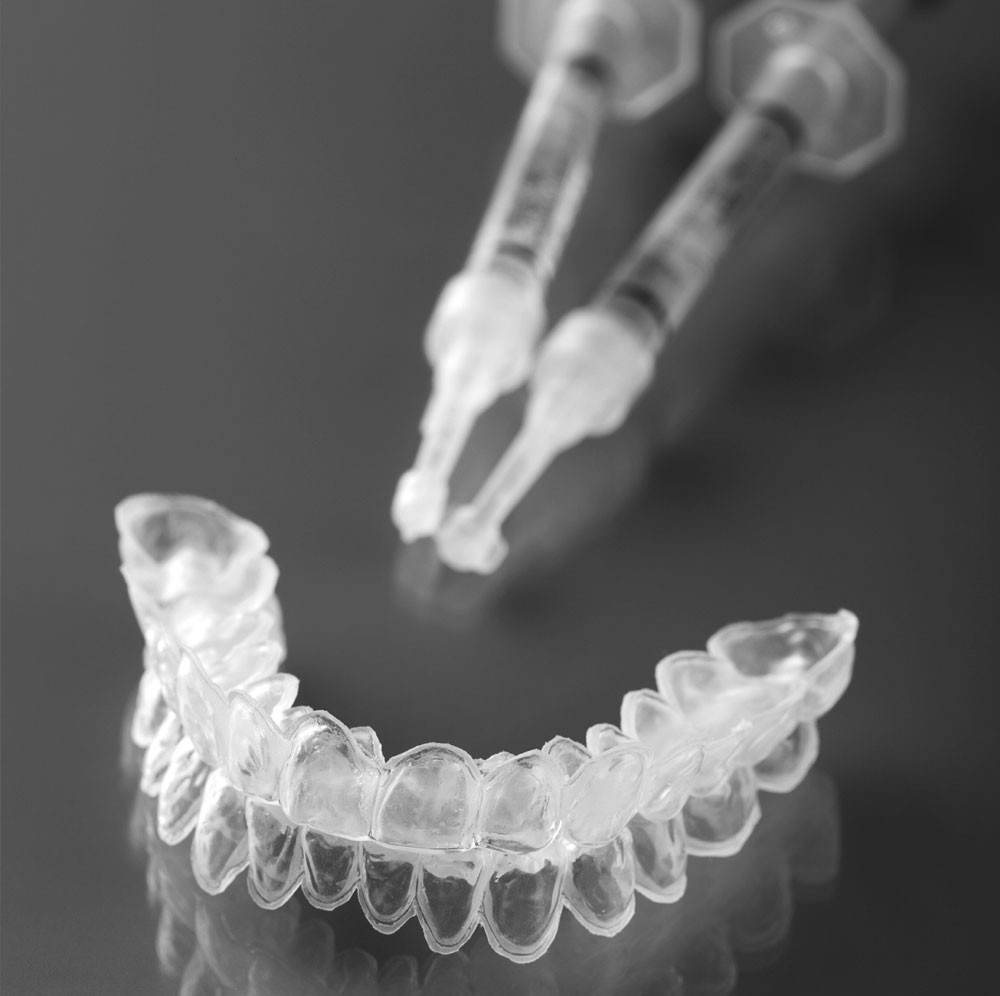
In-office whitening is usually completed in a single appointment. Take-home whitening with custom trays is typically worn daily for one to two weeks, depending on the product and your goal.
In-Office vs. Take-Home Whitening
|
In-office whitening |
Take-home whitening (custom trays) |
| Time |
One appointment |
About 30 minutes a day for 1 to 2 weeks |
| Best for |
Patients who want a quick result before an event |
Patients who prefer to whiten gradually at home |
| Touch-ups |
Another in-office visit, or take-home gel |
Reuse your custom trays with refill gel |
| Sensitivity |
Monitored by our team during treatment |
You can pause or shorten wear time if teeth feel sensitive |
How Much Does Teeth Whitening Cost in New Westminster?
The cost of professional teeth whitening depends on the method you choose and whether your teeth need a cleaning or other treatment first. Take-home whitening includes custom-made trays that you can keep for future touch-ups, while in-office whitening is completed in a single visit.
We give you the cost of your recommended option before treatment begins, so there are no surprises. Call us at 604-544-0894 to ask about current whitening fees.
Does dental insurance cover teeth whitening?
Most dental plans treat whitening as a cosmetic service and do not cover it. Your exam and cleaning before whitening may be covered under your preventive benefits. Check your plan, or ask our team to help you understand your coverage.
How Long Does Teeth Whitening Last?
The longevity of whitening results varies between individuals.
Results can be affected by:
- Diet
- Coffee and tea consumption
- Tobacco use
- Oral hygiene
- Natural aging
- The original level of discoloration
- The whitening approach used
Teeth Whitening FAQs
Are stained teeth permanent?
Not always. Surface stains from coffee, tea, red wine and tobacco often lighten with a professional cleaning and whitening. Stains inside the tooth, such as those from certain medications, injury or developmental changes, may not respond fully to whitening. In those cases, bonding or porcelain veneers may be options.
Why do some tooth stains not bleach?
Whitening works on natural enamel. Grey or brown discoloration from inside the tooth, and crowns, veneers or fillings, do not change colour with whitening. An exam helps us find the cause of the stain and suggest the right approach.
What should I avoid after teeth whitening?
For the first 48 hours, try to limit coffee, tea, red wine, dark sauces and tobacco, since teeth can pick up stains more easily right after whitening. Drinking through a straw and rinsing with water after dark drinks helps your results last longer.
Can I whiten my teeth if I have fillings or crowns?
Yes, but only your natural teeth will lighten. If you have visible fillings or crowns, we will talk about whether they may need to be replaced afterwards to match your new shade.
Can I whiten my teeth while pregnant or breastfeeding?
Whitening is a cosmetic treatment, so it is usually recommended to wait until after pregnancy and breastfeeding. Routine check-ups and cleanings are still important during this time.
How do I get started with professional teeth whitening in New Westminster?
Book an appointment at Sapperton Dental, 301 East Columbia Street #105, near Sapperton SkyTrain Station. We will check your teeth and gums, show you a realistic shade goal and recommend in-office or take-home whitening. Call 604-544-0894 or request an appointment online.