Teeth Whitening in New Westminster, BC
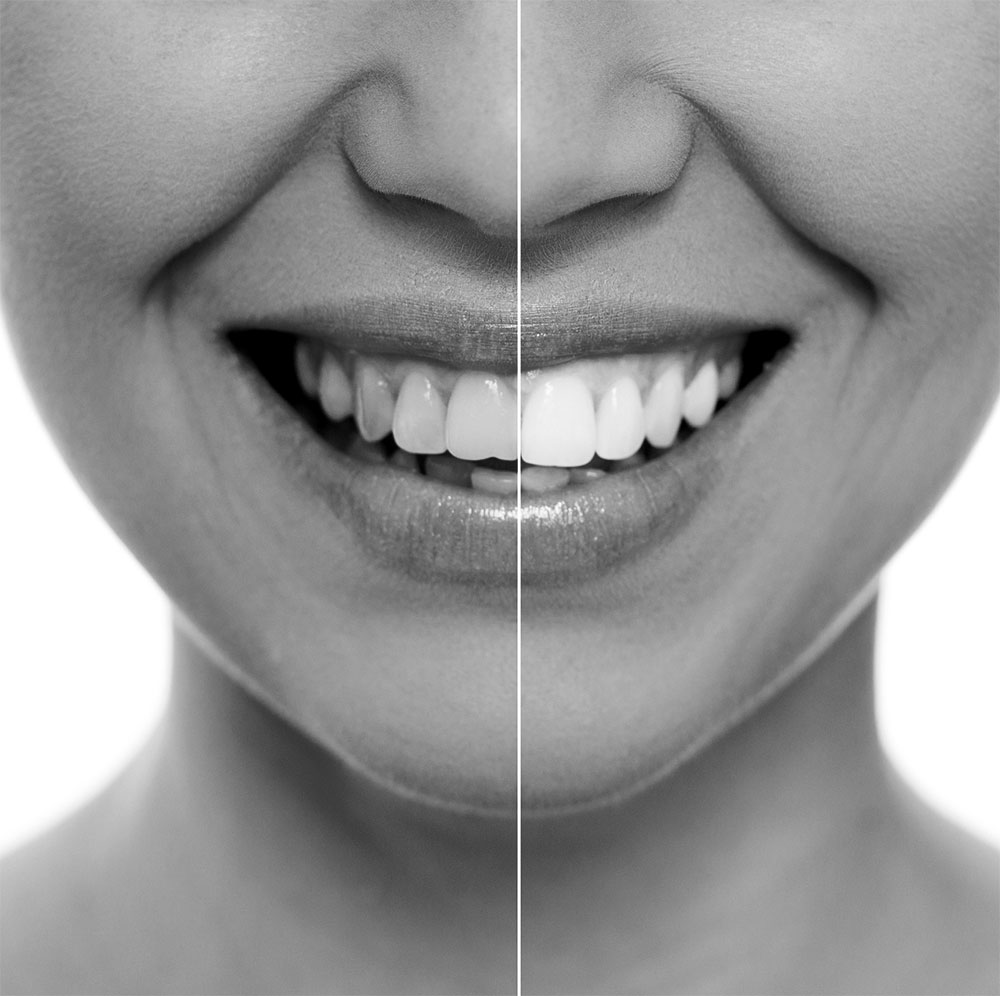
If you are looking for teeth whitening in New Westminster, BC, Sapperton Dental provides professional teeth whitening consultations designed to help patients achieve a brighter, more confident smile. Our dental team can assess your teeth, discuss your whitening goals, and recommend an approach based on your oral health and the type of discoloration you have.
Professional teeth whitening is different from simply using an over-the-counter whitening product. A dental professional can first determine whether whitening is appropriate for your teeth and gums and help you understand what results you may reasonably expect.
What Is Professional Teeth Whitening?
Professional teeth whitening is a cosmetic dental treatment designed to lighten the appearance of natural tooth enamel and reduce certain types of tooth discoloration.
Teeth can become darker or stained for many reasons, including:
- Coffee, tea, and other dark beverages
- Red wine and strongly pigmented foods
- Tobacco use
- Natural aging
- Certain medications
- Changes in tooth enamel over time
- Previous dental or oral health conditions
The best whitening approach depends on the cause of the discoloration, the condition of your teeth and gums, and whether you have existing dental restorations.
If you are considering whitening, a dental evaluation can help determine whether professional whitening is appropriate for you.
Where Can I Get Teeth Whitening in New Westminster?
You can discuss professional teeth whitening with Sapperton Dental in New Westminster, BC.
Our clinic is located at:
301 East Columbia Street #105
New Westminster, BC V3L 3W5
Sapperton Dental serves patients in New Westminster and the surrounding communities. The clinic is located in the Sapperton area, near Sapperton SkyTrain Station and across from Royal Columbian Hospital.
If you are unsure whether whitening is right for you, you can begin with a consultation and oral health assessment.
How Does Professional Teeth Whitening Work?
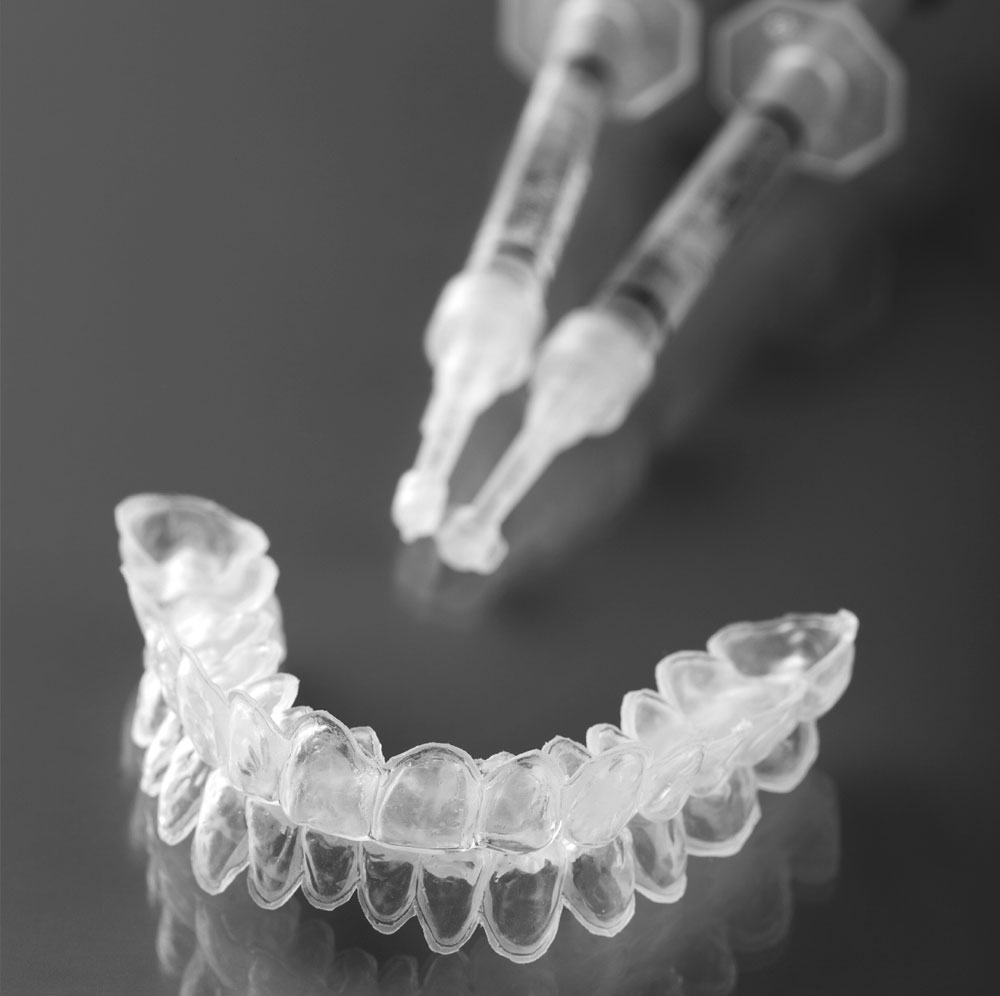
Professional teeth whitening uses whitening agents to help reduce certain stains and discoloration from natural teeth.
The process generally involves:
- Assessing your teeth and gums.
- Identifying the likely cause of discoloration.
- Discussing your cosmetic goals.
- Determining whether whitening is appropriate.
- Recommending a suitable professional whitening approach.
- Providing instructions for maintaining your results.
The exact treatment process can vary depending on your oral health and the whitening method recommended by your dental professional.
What Causes Yellow or Discolored Teeth?
Tooth discoloration can have both external and internal causes.
Extrinsic stains
Extrinsic stains develop on the outside of the tooth and are commonly associated with:
- Coffee
- Tea
- Red wine
- Tobacco
- Dark-colored foods and beverages
Professional dental cleaning may help remove some surface deposits and stains.
For patients who want a brighter smile beyond routine cleaning, professional teeth whitening may be an option.
You can learn more about maintaining healthy teeth and gums on our preventive dentistry page.
Intrinsic discoloration
Intrinsic discoloration occurs within the tooth and can be more difficult to treat with conventional whitening.
The cause may include:
- Aging
- Certain medications
- Trauma affecting a tooth
- Changes within the tooth
- Developmental factors
Because not every type of discoloration responds in the same way, an evaluation can help determine which options may be appropriate.
Is Professional Teeth Whitening Safe?
Professional teeth whitening is generally considered an established cosmetic dental treatment when appropriately selected and performed according to professional guidance.
However, whitening is not appropriate for everyone, and temporary tooth sensitivity or gum irritation can occur.
Before whitening, it is important to consider conditions such as:
- Tooth decay
- Gum disease
- Cracked or damaged teeth
- Significant tooth sensitivity
- Existing dental restorations
- Other untreated oral health concerns
If an oral health problem is identified, your dentist may recommend addressing it before beginning cosmetic whitening.
Can Teeth Whitening Cause Sensitivity?
Yes. Temporary tooth sensitivity is one of the possible side effects of teeth whitening.
Some patients may notice sensitivity to:
- Cold drinks
- Hot drinks
- Air
- Certain foods
Sensitivity can vary from person to person.
If you already have sensitive teeth, tell your dentist before whitening so your oral health and treatment options can be considered appropriately.
Whitening should not be viewed as a treatment for the underlying cause of persistent tooth sensitivity.
How Long Does Teeth Whitening Last?
The longevity of whitening results varies between individuals.
Results can be affected by:
- Diet
- Coffee and tea consumption
- Tobacco use
- Oral hygiene
- Natural aging
- The original level of discoloration
- The whitening approach used
Whitening is not necessarily permanent. Maintaining good oral hy